Starting your morning with a nourishing meal sets the tone for sustained physical energy and sharp mental focus throughout the day. Selecting a wholesome healthy desi breakfast provides an optimal balance of complex carbohydrates, plant-based proteins, and metabolism-boosting aromatic spices. Traditional morning recipes from the subcontinent have nourished generations with clean, nutrient-dense ingredients.
Modern nutritionists frequently praise South Asian breakfast customs because they prioritize seasonal produce, wholesome pulses, and digestive seasonings like cumin, ginger, and turmeric. By making minor adaptations to cooking oils and portion sizes, you can transform time-tested morning classics into health-conscious powerhouses that keep you satisfied for hours.
The Power of Morning Nutrition
Breakfast acts as the foundational refueling stop for your metabolism after an extended overnight fast. Skipping this vital meal often causes sharp blood sugar fluctuations, mid-morning fatigue, and intense cravings for refined sugars later in the afternoon. A well-constructed meal replenishes glycogen reserves in the liver and stabilizes resting cortisol levels.
Subcontinental morning dishes stand out because they emphasize whole food ingredients rather than processed, sugary breakfast cereals. Incorporating whole grains, soaked lentils, and probiotic yogurts early in the morning feeds your gut microbiome and stimulates digestive enzymes naturally. This gentle digestive activation supports gut motility without overburdening your stomach.
Many traditional culinary principles trace their roots directly to ancient Ayurvedic culinary traditions, which emphasize warm, freshly cooked foods to awaken digestive fires. Beginning your day with warm, spiced food helps your body assimilate micronutrients effectively while promoting sustained vitality.
Why Choose Healthy Desi Breakfast
The primary advantage of traditional morning dishes lies in their exceptional macro-nutrient versatility. Unlike Western morning staples that lean heavily toward simple sugars and processed meats, South Asian cuisine utilizes unrefined flour, legumes, and fresh herbs. This diversity ensures that your body receives essential amino acids alongside vital dietary fibers.
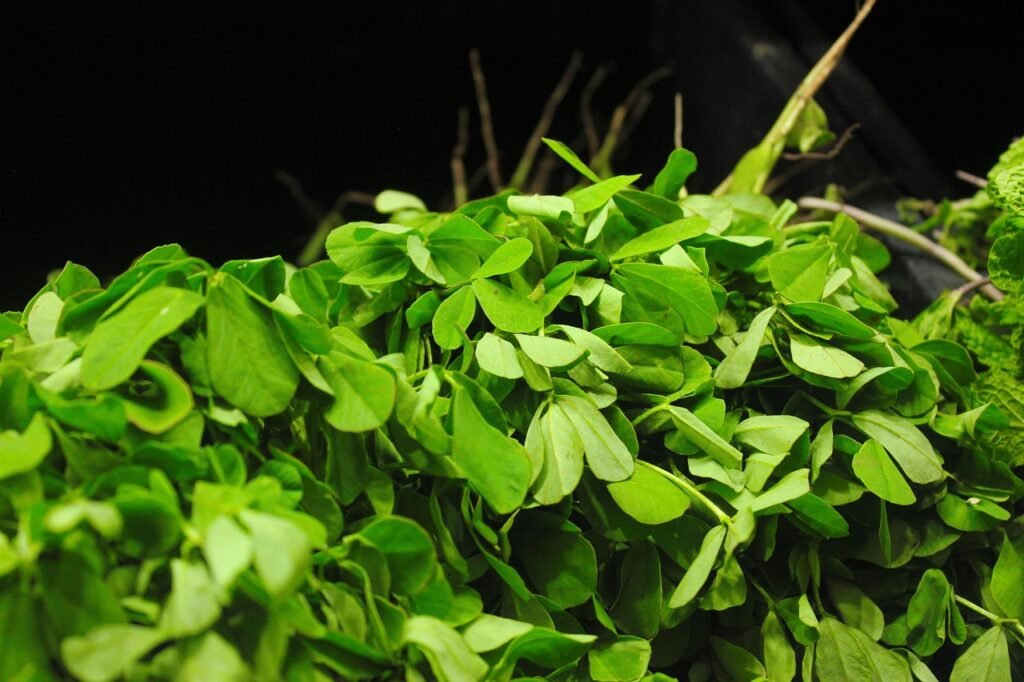
Moreover, the functional spices present in these regional dishes offer extensive health protective benefits. Ground turmeric contributes curcumin, a potent anti-inflammatory compound, while mustard seeds and fenugreek improve cellular insulin sensitivity. Including these therapeutic spices regularly helps manage resting blood sugar markers and lowers chronic inflammation across bodily tissues.
Additionally, home-cooked regional recipes grant complete control over cooking mediums and sodium levels. By substituting excessive clarified butter or refined vegetable oils with moderate amounts of cold-pressed oils, you preserve rich authentic flavors while significantly curtailing saturated fat intake. This balance makes these meals ideal for heart health and steady weight management.
Essential Healthy Desi Breakfast Staples
Several staple dishes represent the pinnacle of balanced morning nutrition across the subcontinent. Savory gram flour pancakes, commonly known as besan chilla, deliver exceptional plant protein alongside soluble dietary fiber. They cook quickly on a non-stick griddle and pair effortlessly with fresh coriander chutney or unsweetened low-fat curd.
Flattened rice flakes, prepared as vegetable poha, offer another featherlight yet filling morning choice. Tossed with mustard seeds, crunchy roasted peanuts, garden peas, and a generous squeeze of fresh lemon juice, poha supplies rapid-release clean carbohydrates backed by sustaining healthy fats from peanuts. It digests comfortably, preventing post-meal lethargy.
Steamed semolina or mixed-vegetable upma rounds out the premier morning options. Enriched with grated carrots, French beans, and mild ginger, this savory porridge delivers complex carbohydrates that release glucose steadily into the bloodstream. Its comforting warmth makes it a staple comfort food that honors authentic regional taste profiles.
Top Healthy Desi Breakfast Ingredients
Stocking the right foundational pantry ingredients simplifies daily cooking routines considerably. Keep whole yellow moong dal, rolled oats, chickpea flour, and high-protein cottage cheese readily available in your kitchen cabinets. These versatile ingredients form the building blocks for dozens of quick morning meal combinations.
Fresh herbs and whole spices constitute the second essential culinary tier. Always maintain fresh green chilies, curry leaves, fresh cilantro, cumin seeds, and cracked black pepper within arm’s reach. These botanical seasonings impart unforgettable flavor profiles without adding unwanted calories, sodium, or artificial flavor enhancers.
Wholesome Morning Meal Comparison
Understanding the specific nutritional breakdown of popular regional dishes helps you align morning meals with personal fitness targets. Whether your priority is building lean muscle, trimming excess body weight, or stabilizing energy, each dish provides distinct physiological benefits.
The following detailed comparison highlights the primary nutritional characteristics of four standard morning preparations based on standard single-serving sizes prepared with minimal cooking oil.
| Breakfast Dish | Primary Base | Key Macronutrient | Preparation Style |
|---|---|---|---|
| Moong Dal Chilla | Yellow Lentils | High Plant Protein | Pan-griddled with oil spray |
| Vegetable Poha | Flattened Rice | Complex Carbohydrates | Lightly sauteed in pan |
| Paneer Bhurji Wrap | Cottage Cheese | Protein and Healthy Fats | Sauteed inside whole wheat roti |
| Vegetable Dalia | Broken Wheat | High Dietary Fiber | Pressure-cooked porridge |
Reviewing this data demonstrates that rotating these options throughout the week guarantees comprehensive nutrient coverage. Pairing lentil-based dishes with fiber-dense vegetable porridges ensures your body benefits from varying amino acid profiles and slow-burning carbohydrates.
Step-by-Step Morning Cooking Routine
Creating nutritious meals during hectic weekday mornings requires an organized, streamlined kitchen workflow. Preparing foundational ingredients the evening before cuts hands-on morning cooking duration down to fifteen minutes or less.
Follow this systematic preparation routine to assemble a satisfying, warm meal without morning chaos or unnecessary culinary stress:
- Measure and soak your preferred lentils, such as split yellow moong, in clean filtered water overnight to soften the grains and reduce antinutrients.
- Chop fresh aromatics, including red onions, ginger root, green chilies, and fresh coriander leaves, storing them in airtight glass containers inside the refrigerator.
- Drain the soaked lentils in the morning, transferring them directly into a blender jar with fresh ginger and a splash of water to form a smooth batter.
- Heat a seasoned cast-iron griddle over medium heat, lightly applying a light mist of cold-pressed oil across the surface.
- Pour a ladleful of smooth batter onto the hot surface, spreading it into a thin round disk and cooking both sides until golden brown and crisp.
Following this repeatable sequence transforms everyday morning cooking into an enjoyable, peaceful ritual. Serving the fresh pancakes hot with home-style mint yogurt dip guarantees an unforgettable breakfast experience.
Smart Tips for Better Digestion
Even the healthiest morning recipes can cause digestive discomfort if eaten hurriedly or combined incorrectly. Optimizing your digestive capacity ensures maximum nutrient extraction and leaves you feeling light and energized rather than heavy and drowsy.
Incorporate these evidence-based eating habits into your daily morning routine for noticeable digestive comfort:
- Drink a large glass of warm filtered water seasoned with a slice of lemon before consuming solid foods to awaken digestive secretions.
- Incorporate a small pinch of asafoetida and crushed cumin seeds into lentil batters to minimize intestinal gas production.
- Chew every bite thoroughly instead of rushing, allowing salivary amylase to initiate the carbohydrate breakdown process inside your mouth.
- Avoid pairing iced beverages with warm meals, as frigid liquids can constrict blood vessels and temporarily slow stomach digestion.
- Wait at least thirty minutes after finishing your meal before drinking caffeinated tea or black coffee to preserve iron absorption.
Cultivating these straightforward habits protects gastrointestinal harmony over the long term. When paired with nutrient-dense regional recipes, mindful eating ensures enduring wellness and boundless vitality.
Frequently Asked Questions
What is the easiest healthy desi breakfast?
Vegetable poha and oats chilla are widely considered the simplest dishes to prepare on busy mornings. Both meals require less than fifteen minutes of active cooking time, utilize readily accessible pantry staples, and provide an excellent balance of fiber, clean carbohydrates, and essential micronutrients.
Can I eat parathas while trying to lose weight?
Yes, you can comfortably consume parathas on a weight management plan by making strategic recipe adjustments. Prepare the dough using 100% whole-wheat flour, stuff them generously with grated radishes, cauliflower, or low-fat cottage cheese, and cook them on a well-seasoned dry skillet with only a light brushing of healthy oil.
How do I increase protein in traditional morning recipes?
You can effortlessly boost the protein content of traditional dishes by incorporating grated paneer, boiled sprouted pulses, or hemp seeds into batters and stuffings. Alternatively, enjoying your morning meal alongside a bowl of thick Greek yogurt or spiced buttermilk adds substantial bioavailable protein without adding empty calories.