Waking up to the enticing aroma of fresh herbs and toasted spices is one of the greatest joys of traditional desi cooking. A classic methi thepla recipe gives you the ultimate nutritious flatbread that effortlessly bridges convenience, authentic flavor, and exceptional health benefits. These thin, fragrant breads originate from Western India and have become a beloved breakfast staple across the globe.
Unlike standard flatbreads that rely purely on plain flour, this dish incorporates fresh fenugreek greens, aromatic spices, and protein-packed flours. The notable nutritional profile of fenugreek leaves offers dietary fiber, iron, and blood-sugar-balancing compounds that promote sustained energy throughout your busy morning hours. Each bite delivers an earthy, mildly bitter, and spiced taste that invigorates your palate.
Whether you need a quick morning bite, a wholesome children’s lunchbox meal, or a dependable travel snack, thepla always delivers. Because the leaves and seasonings are kneaded right into the dough, these breads remain remarkably soft and fresh for several days without needing refrigeration.
Why This Methi Thepla Recipe
Modern morning routines demand dishes that combine effortless preparation with genuine nutritional value. This authentic flatbread eliminates the frustration of dry, rubbery dough by balancing moistening agents with wholesome whole wheat. The harmony of ginger, green chili, and turmeric delivers an antioxidant-rich punch with minimal cleanup required.
Traditional parathas often require time-consuming stuffing procedures that can easily tear or spill on the griddle. In contrast, this streamlined preparation incorporates every seasoning and leaf directly into the flour blend before kneading. The result is a smooth, pliable dough that rolls out cleanly without cracking or sticking.
Moreover, the subtle addition of gram flour enhances texture while offering plant-based protein to keep you satiated until lunchtime. It is an ideal, guilt-free morning dish that fits comfortably within balanced weight-management and clean-eating lifestyles.
Essential Ingredients for Fresh Thepla
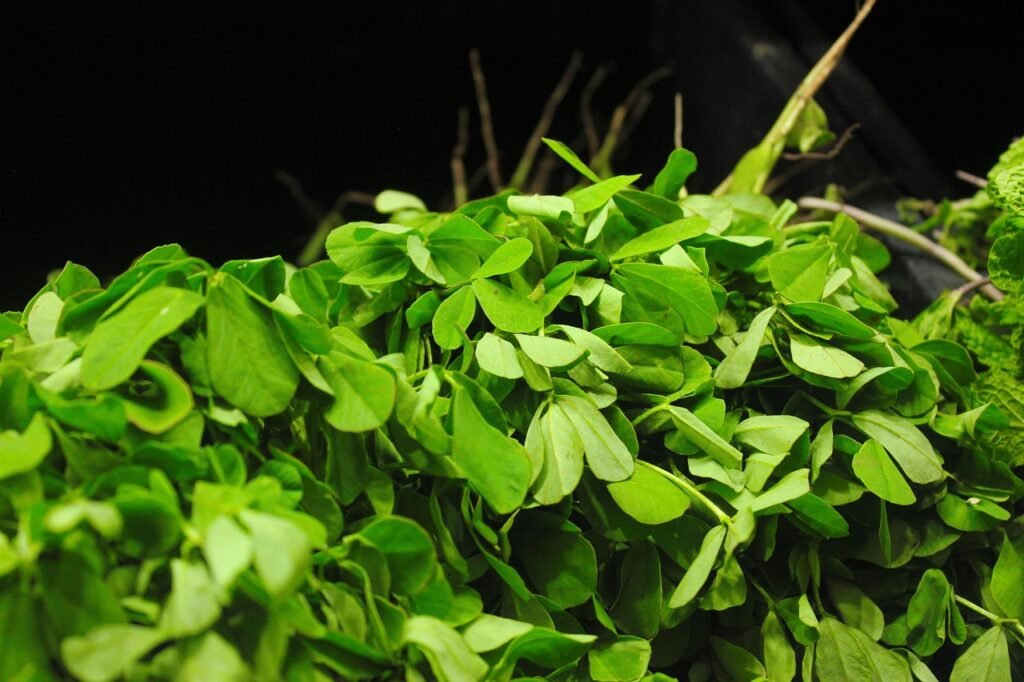
Achieving a melt-in-the-mouth consistency starts with choosing top-quality pantry ingredients. Fresh fenugreek greens are the undisputed star of this dish, bringing herbal earthiness and vibrant color. Be sure to strip the tender leaves from the fibrous woody stems before rinsing them thoroughly to remove all garden grit.
A touch of creamy plain yogurt acts as a natural tenderizer for the wheat gluten, ensuring your flatbreads stay soft for days. Meanwhile, sesame seeds and carom seeds provide delightful crunch, pleasant warmth, and digestive support.
- Fresh Fenugreek (Methi) Leaves: Two cups of tightly packed leaves, thoroughly washed, drained, and finely chopped.
- Flour Blend: Two cups of whole wheat flour paired with three tablespoons of gram flour (besan).
- Aromatics: One tablespoon of freshly grated ginger and one finely minced green chili.
- Spices: Ground turmeric, red chili powder, roasted cumin powder, coriander powder, and carom seeds (ajwain).
- Binding Fats and Liquids: Two tablespoons of plain curd, two tablespoons of cooking oil, and warm water for kneading.
Taking a few extra minutes to let the chopped greens sit with a pinch of salt helps draw out excess surface moisture. This quick step prevents your dough from becoming sticky and hard to handle during the rolling stage.
Step-by-Step Cooking Guide
Preparing these aromatic flatbreads is a straightforward and rewarding culinary process that even novice home cooks can master. By following a structured approach, you will achieve consistent thickness, attractive golden speckles, and unbeatable tenderness every single time.
- Prepare the Greens: Wash the fenugreek leaves in cold water, spin dry, and chop them finely with a sharp knife.
- Combine Dry Ingredients: In a wide mixing bowl, whisk together the whole wheat flour, gram flour, salt, carom seeds, sesame seeds, and ground spices.
- Knead the Dough: Add the chopped greens, grated ginger, yogurt, and oil, gently working the mixture into soft breadcrumbs before slowly introducing warm water to form a pliable dough.
- Rest and Portion: Brush the dough surface with a few drops of oil, cover with a damp cloth, and let it rest for 15 minutes before dividing it into equal golf-ball-sized portions.
- Roll Paper-Thin: Dust each dough ball with dry flour and roll it smoothly into a round, even flatbread using light, uniform rolling pin pressure.
- Toast on the Griddle: Place the flatbread onto a medium-hot tawa, cook for 30 seconds until faint bubbles appear, flip, brush with light oil, and press gently until golden spots emerge on both sides.
Always maintain a steady, medium-high flame on your cooking griddle during the frying process. Cooking flatbreads on low heat tends to leach out essential moisture, which turns the final crumb tough and leathery.
Stack your freshly cooked flatbreads inside an insulated container lined with clean kitchen paper to trap the gentle residual steam. This self-steaming step softens the crust and locks in tenderness for hours.
Thepla Versus Traditional Plain Paratha
Home cooks frequently wonder how thepla compares to common breakfast alternatives like tandoori roti or classic layered parathas. While both share a whole-wheat base, their nutritional density, textural longevity, and fat profiles diverge significantly.
Understanding these distinct differences helps you select the best bread for busy workdays, leisurely Sunday brunches, or outdoor excursions.
| Feature | Methi Thepla | Traditional Plain Paratha |
|---|---|---|
| Flour Base | Whole wheat flour plus gram flour (besan) | Pure whole wheat flour or refined all-purpose flour |
| Greens Integration | Fresh fenugreek leaves kneaded into dough | Usually plain or filled separately as stuffing |
| Average Shelf Life | 3 to 5 days at room temperature | Best consumed fresh within 12 to 24 hours |
| Texture Profile | Thin, exceptionally pliable, and tender | Crispy, flaky, layered, and relatively thick |
| Primary Fat Used | Minimal oil kneaded inside and light surface brush | Generous ghee or butter folded between layers |
As illustrated in the comparison table, thepla serves as an exceptionally travel-friendly, lower-fat option that does not spoil quickly. It delivers plant fiber directly through the incorporated greens, offering an effortless way to sneak nutrient-rich vegetables into everyday meals.
Best Methi Thepla Recipe Tips
Refining your cooking technique will turn an ordinary homemade flatbread into an unforgettable culinary highlight. Following a reliable methi thepla recipe ensures your dough achieves ideal suppleness without demanding excessive oil or shortening.
If you are sensitive to natural herbal bitterness, never skip the salting step when prepping raw fenugreek leaves. Massaging the chopped greens with half a teaspoon of salt and letting them sit for ten minutes allows bitter fluids to drain away cleanly.
Be careful when measuring liquids during the kneading phase. Fenugreek greens naturally release moisture when they contact salt and spices in the dough, so pour your water slowly to prevent a sticky dough catastrophe.
Serving and Storage Suggestions
The beauty of this spiced flatbread lies in its remarkable versatility alongside everyday condiments. It pairs effortlessly with sweet mango chundo, tart lime pickle, or a generous bowl of whisked Greek yogurt dusted with roasted cumin. For an authentic desi morning feast, serve two hot flatbreads alongside a steaming cup of freshly brewed ginger cardamom chai.
When packing these breads for road trips or daily office commutes, let them cool down completely to room temperature before packing. Wrap small batches inside unbleached parchment paper or food-grade foil to preserve moisture without creating soggy condensation.
Stored inside an airtight container in a cool kitchen pantry, your flatbreads will stay fresh for up to four full days. When ready to eat, simply warm them on a hot pan for twenty seconds or enjoy them straight from the wrap at room temperature.
Frequently Asked Questions
Can you freeze this methi thepla recipe?
Yes, you can easily freeze these flatbreads for up to three months. Stack the fully cooked, cooled flatbreads with squares of parchment paper between each piece, seal them inside a freezer-safe bag, and reheat directly on a warm griddle without thawing.
Why do my theplas turn hard and brittle?
Hard flatbreads usually result from cooking over low griddle heat for too long or rolling the dough with excessive dry flour. Cook them over medium-high heat for about thirty to forty seconds per side, and always include yogurt or oil in your dough to preserve tenderness.
Can I substitute dried kasuri methi for fresh greens?
Yes, dried fenugreek leaves (kasuri methi) make a convenient pantry substitute when fresh bunches are unavailable. Use one-third cup of dried leaves for every two cups of fresh greens, rubbing them gently between your palms before mixing into the flour.