Discovering wholesome morning refreshment is simple when you turn to traditional South Asian superfoods. A classic sattu drink recipe provides sustained energy, cooling comfort, and rich plant protein without artificial additives. Roasted gram flour forms the cornerstone of this ancient cooler, offering a reliable beverage for busy mornings. Whether you need fuel before a workout or a soothing breakfast drink, this centuries-old preparation delivers complete vitality.
Many people struggle with heavy morning breakfasts that cause lethargy during early work hours. Preparing a quick glass of roasted gram tonic keeps digestion smooth while supplying essential dietary fiber. You will feel alert, nourished, and ready to handle demanding routines with natural sustained stamina.
Origins of Desi Roasted Gram
Traditional rural communities across the northern plains of India and Pakistan have relied on roasted chickpea powder for generations. Historically prized by travelers, farmers, and laborers, the powder was valued because it stayed fresh without refrigeration. Grinding dry-roasted Bengal gram preserves natural micronutrients while creating a toasted, nutty aroma that defines the flavor profile.
Food historians celebrate this rustic staple as one of the original functional drinks of the subcontinent. In historic texts and agricultural tradition, roasted gram flour known as sattu served as quick, nutrient-dense fuel during hot summer seasons. Combining this ground pulse with fresh spring water created an affordable, instant defense against seasonal fatigue and dehydration.
Today, home chefs revisit these culinary traditions to create nutritious, natural beverages that replace sugary bottled energy shakes. The simplicity of stirring pantry essentials into chilled water brings historic regional wisdom directly into modern kitchens.
Classic Sattu Drink Recipe Essentials
Creating authentic flavors requires clean, wholesome components that balance roasted notes with zesty herbs. Sourcing high-quality roasted chana flour ensures a smooth texture free of bitter undertones. When exploring new breakfast ideas, trying this sattu drink recipe will elevate your daily beverage rotation with authentic desi flair.
Fresh additions bring the base flour alive with crisp aromas and sharp flavors. Cold water, freshly squeezed lemon juice, and a pinch of roasted cumin make the base appetizing and refreshing. You can adjust the level of green chilies and mint to match your household spice preference.
Gather the following pantry items before starting your morning preparation:
- 4 tablespoons fine roasted gram flour (chana sattu)
- 1.5 cups chilled filtered water or light buttermilk
- 1 tablespoon freshly squeezed lemon juice
- 0.5 teaspoon roasted cumin seed powder
- 0.5 teaspoon black rock salt (kala namak)
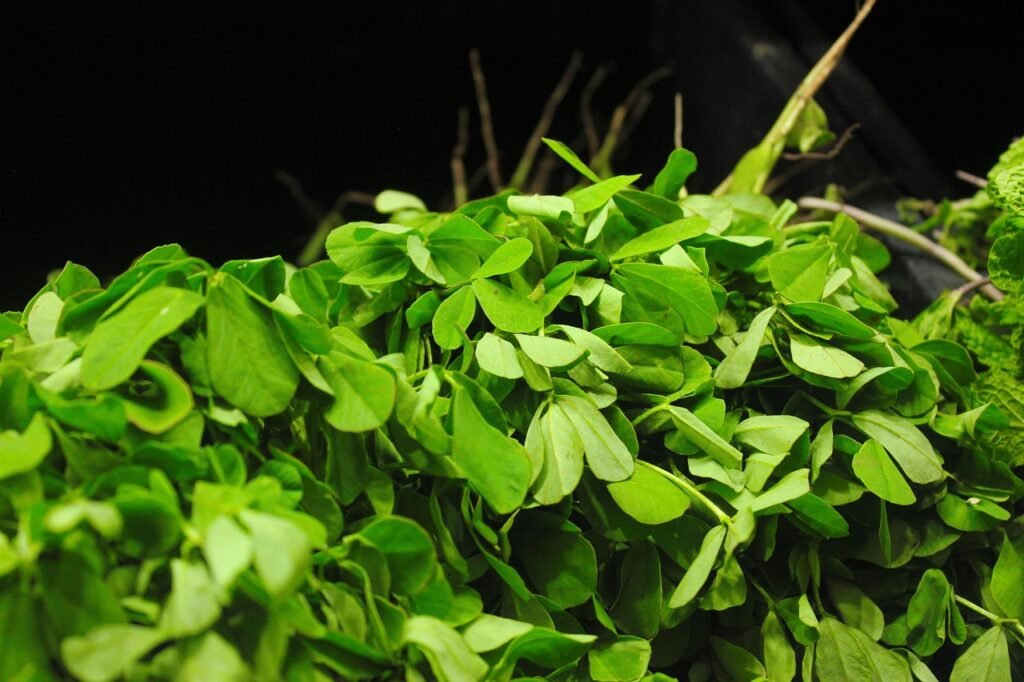
- 1 tablespoon finely chopped fresh mint leaves
- 1 small green chili, finely minced (optional)
Nutritional Value and Daily Benefits
A balanced morning tonic must offer more than just hydration; it must fuel your body for several hours. Roasted gram powder naturally contains rich concentrations of plant-based protein, iron, calcium, and magnesium. Because roasting reduces anti-nutritional compounds, your stomach digests and assimilates these minerals easily.
The high proportion of insoluble fiber supports steady blood sugar levels throughout demanding work shifts. Rather than causing rapid insulin spikes like sweetened smoothies, roasted pulses release glucose slowly into your bloodstream. This sustained release prevents sudden midday hunger pangs and sweet cravings.
Review the primary qualities of various preparations in this comparison table:
| Style | Primary Liquid | Key Flavor Notes | Best Time to Consume |
|---|---|---|---|
| Savory Namkeen | Chilled Water | Zesty lemon, black salt, and cumin | Pre-workout or hot mornings |
| Creamy Chaas | Spiced Buttermilk | Tangy, minty, and herbaceous | Post-breakfast or mid-day recovery |
| Sweet Meetha | Water or Cold Milk | Cardamom and raw jaggery | Early morning breakfast boost |
How to Prepare Your Drink
Blending this tonic takes less than five minutes, making it ideal for tight morning schedules. Following the proper mixing sequence prevents clumping and creates a velvety, lump-free consistency. You can prepare it in a tall glass using a hand whisk or use a small blender jar for speed.
Follow these numbered culinary steps for consistent, delicious results every morning:
- Add the roasted flour and black salt into a wide-rimmed mixing glass.
- Pour in three tablespoons of water and whisk vigorously into a smooth paste.
- Slowly pour the remaining cold water while whisking continuously until uniform.
- Stir in fresh lemon juice, roasted cumin powder, and chopped mint.
- Taste the blend, adjust the salt if desired, and serve over fresh ice cubes.
Sweet Sattu Drink Recipe Variation
If you prefer a sweeter profile to start your day, customize this sweet sattu drink recipe with raw unrefined jaggery or wildflower honey. Replace the salt and green chilies with crushed green cardamom seeds and a splash of dairy or plant milk. Whisk thoroughly until the jaggery dissolves into a golden, comforting breakfast shake.
Children and athletes often favor this sweeter alternative because it delivers rapid carbohydrates alongside muscle-rebuilding proteins. It works wonderfully as a post-exercise restorative drink, revitalizing tired muscles without heavy syrups or chemical powders.
Why Sattu Drink Recipe Shines
Modern nutritionists frequently refer to this mixture as South Asia’s indigenous protein shake. Commercial protein powders often rely on industrial processing, artificial sweeteners, and stabilizing agents that disrupt sensitive stomachs. In contrast, this natural beverage features a single whole-food ingredient that has sustained millions for generations.
Furthermore, the cooling properties of chickpea flour protect your body against intense environmental heat. Desi folklore recognizes sattu as a natural internal coolant that regulates core body temperature during humid months. Integrating this humble beverage into your routine offers natural temperature regulation and exceptional hydration.
The economical aspect is equally impressive for conscious households. Roasted Bengal gram remains widely accessible and budget-friendly, proving that world-class daily wellness does not require expensive commercial supplements.
Storage Tips and Serving Suggestions
Keep your dry roasted flour in an airtight glass container kept in a cool, dry pantry away from direct heat. When sealed properly, the dry flour maintains its freshness and toasty flavor for up to six months. Avoid dipping wet spoons into the storage jar to prevent spoilage or mold formation.
Always drink your fresh mixture immediately after preparing it for the best flavor and texture. Because ground pulses contain heavy natural fiber, the flour naturally settles at the bottom of the glass if left standing. If you take a brief pause while drinking, use a spoon to give the liquid a quick stir.
Pair this refreshing glass with fresh fruits, dry fruits, or soft theplas for a complete weekend brunch. You will enjoy a completely satisfying, energizing breakfast experience that celebrates traditional regional ingredients.
Frequently Asked Questions
Can I Drink This Sattu Drink Recipe Daily?
Yes, you can safely consume this nourishing beverage every day as part of a wholesome lifestyle. One glass per day provides gentle gut benefits, useful dietary minerals, and stable morning fuel. If you have extremely sluggish digestion, start with smaller portions and drink plenty of water.
What Is the Ideal Time for Drinking Sattu?
The best time to enjoy this beverage is during morning hours or early afternoon on an empty stomach. Consuming it early allows your body to absorb the complex proteins and utilize the natural cooling properties throughout the day. Avoid drinking large glasses right before bedtime.
Is Sattu Flour Gluten Free?
Pure sattu flour made exclusively from roasted Bengal gram is naturally free from gluten. However, check manufacturing packaging labels to verify that your chosen brand does not process barley or wheat on shared production lines.