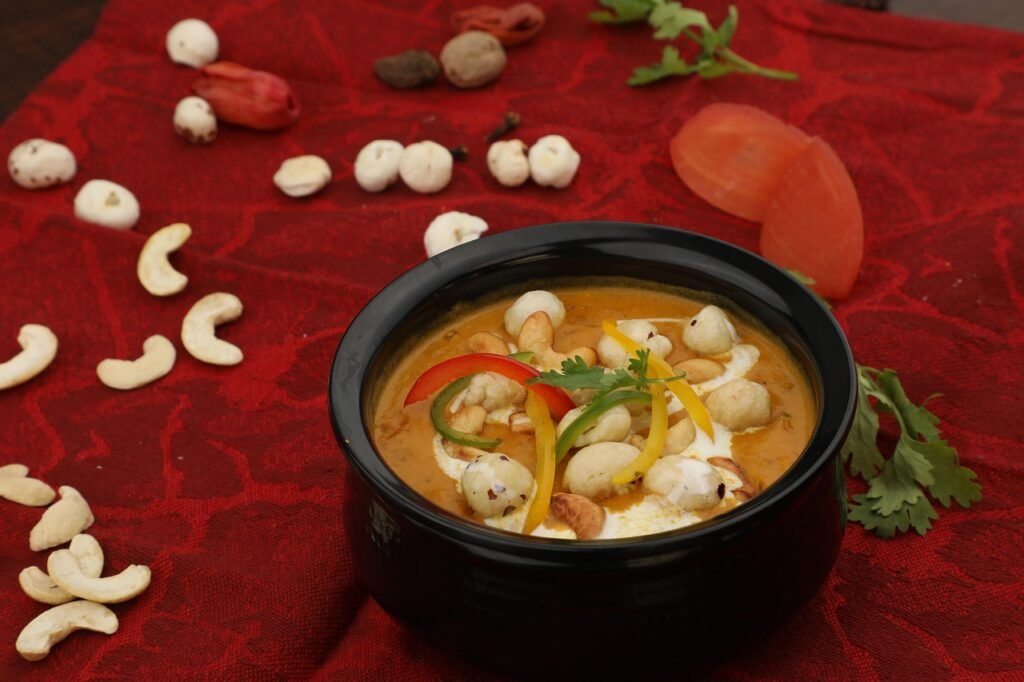
Discovering a wholesome sweet treat that balances genuine indulgence with great nutritional value is a delightful culinary experience. This traditional makhana kheer recipe transforms humble fox nuts into a fragrant, velvety pudding that elevates any festive table or quiet evening meal. Unlike heavier grain-based puddings that take hours of watchful simmering, this wholesome treat comes together quickly while offering incredible creaminess and comforting warmth.
Known historically across the Indian subcontinent as phool makhana, puffed lotus seeds, or gorgon nuts, this unique ingredient has sustained generations during sacred fasting periods and celebratory banquets alike. Today, home cooks cherish it as a modern superfood packed with plant protein, minerals, and dietary fiber. Whether you seek a light post-dinner dessert or a revitalizing midday treat, this nourishing sweet dish delivers traditional richness without unnecessary culinary complications.
What Is Makhana Kheer?
Makhana kheer is a beloved traditional Indian pudding crafted by simmering crisp popped lotus seeds in sweetened milk infused with cardamom, saffron, and dry fruits. The botanical source of makhana is lotus seeds (Euryale ferox), which are harvested from wetland plants, dried, and popped under high heat until they form light, airy pearls. When simmered, these seeds soften gracefully while absorbing the rich dairy aromas, resulting in a luscious dessert with a pleasing texture.
In regional Indian gastronomy, this pudding holds a sacred place during festivals like Navratri, Shivratri, and Diwali, where religious fasting guidelines call for grain-free, pure vegetarian fare. Because makhana belongs to the seed category rather than true cereals, it serves as an ideal source of clean energy and sustenance. Its neutral taste acts like an open canvas, welcoming fragrant floral notes from green cardamom pods and the golden glow of real saffron strands.
Modern nutritional science has renewed interest in this heritage dish due to its balanced macronutrient profile. Unlike classic rice kheer or semolina puddings, makhana brings lower caloric density and high satiety, allowing you to satisfy sweet cravings while maintaining a healthy lifestyle.
Essential Makhana Kheer Recipe Ingredients
Creating an exceptional dessert always starts with choosing pristine, high-grade ingredients that complement one another seamlessly. Because this dish relies on a concise grocery list, the freshness of each element directly determines the final aroma, silkiness, and visual appeal of your dessert.
Here is what you will need to assemble before stepping up to the stove:
- Phool Makhana (Popped Lotus Seeds): 2 cups of clean, crisp, intact white pearls free from debris.
- Whole Milk: 4 cups (1 liter) of full-fat dairy milk, or creamy unflavored oat milk for plant-based preferences.
- Pure Desi Ghee: 1 tablespoon of fragrant clarified butter to toast the seeds to golden perfection.
- Natural Sweetener: 4 tablespoons of raw organic jaggery powder, coconut sugar, or standard cane sugar.
- Green Cardamom: 1/2 teaspoon of freshly ground green cardamom powder for authentic warm aroma.
- Saffron Threads (Kesar): 10 to 12 strands soaked in two tablespoons of warm milk.
- Assorted Nuts and Dried Fruits: 2 tablespoons each of sliced almonds, raw pistachios, and golden raisins.
Step-by-Step Makhana Kheer Recipe Guide
Executing this classic pudding requires attentive gentle cooking rather than complex culinary techniques. When preparing this makhana kheer recipe, toasting the seeds thoroughly ensures they remain fragrant rather than soggy once immersed in simmering dairy.
Follow this reliable method to achieve an exquisite consistency every single time:
- Toast the Lotus Seeds: Heat one tablespoon of pure desi ghee in a heavy-bottomed pan over medium-low heat. Add two cups of makhana and sauté continuously for 4 to 6 minutes until they turn light golden and break with a sharp crunch when pressed between your fingers.
- Grind a Portion: Remove the toasted seeds from the pan and allow them to cool slightly. Set aside one-third of the whole seeds for texture. Transfer the remaining two-thirds into a small food processor and pulse briefly to form coarse, pebble-sized crumbs.
- Simmer the Milk: In the same wide pan, pour in the whole milk and bring it to a gentle boil over medium heat, stirring periodically to prevent scorching on the base.
- Cook the Seeds: Lower the flame and incorporate both the coarse crushed makhana and the reserved whole seeds. Simmer the mixture gently for 10 to 12 minutes, stirring every few minutes as the pudding thickens and reduces.
- Infuse Flavor and Sweeten: Pour in the saffron-infused milk along with the ground cardamom powder. Stir well, then add your chosen sweetener. Continue simmering for another 3 to 4 minutes until the sweetener dissolves completely and the pudding achieves a rich, creamy consistency.
- Garnish and Rest: Turn off the heat and stir in the sliced almonds, pistachios, and raisins. Allow the dessert to rest undisturbed for 10 minutes before serving so the flavors settle harmoniously.
Nutritional Comparison With Other Desserts
Understanding how traditional sweets compare against one another allows conscious eaters to make informed dietary choices without sacrificing customary pleasures. The airy matrix of makhana provides substantial volume with fewer carbohydrates and calories compared to denser staples.
| Dessert Type (1 Serving) | Primary Base | Approximate Calories | Protein Content | Glycemic Impact |
|---|---|---|---|---|
| Makhana Kheer | Popped Lotus Seeds | 165 kcal | 5.5 g | Low to Moderate |
| Classic Rice Kheer | White Basmati Rice | 245 kcal | 4.0 g | Moderate to High |
| Sooji Halwa | Semolina / Rava | 290 kcal | 3.5 g | High |
| Gulab Jamun (2 pcs) | Khoya / Deep Fried | 350 kcal | 4.2 g | Very High |
As illustrated in the comparative data above, choosing lotus seeds delivers superior protein density relative to overall calories. Moreover, lotus seeds contain zero trans-fats and exhibit naturally low sodium levels, making this preparation an outstanding candidate for cardiac-conscious dessert lovers.
Nutritional Value and Health Benefits
Lotus seeds represent one of nature’s most effective combinations of wholesome minerals and protective compounds. They deliver abundant supplies of magnesium, potassium, and phosphorus, which collectively assist in regulating fluid balance, blood pressure, and metabolic reactions throughout daily cellular cycles.
Beyond standard minerals, fox nuts contain unique flavonoids such as kaempferol, celebrated for anti-inflammatory and cellular repair qualities. Because these seeds possess a naturally low glycemic index, they facilitate a gradual, sustained release of glucose into the bloodstream, avoiding sudden energy spikes and subsequent crashes.
Furthermore, when prepared using wholesome whole milk, this sweet course provides a complete spectrum of essential amino acids alongside bioavailable dietary calcium. It supports bone density maintenance, muscle recovery after physical exertion, and sound sleep thanks to natural tryptophan precursors found in warm milk.
Flavor Twists and Healthy Variations
While the classic cardamom and saffron combination remains timeless, this versatile dessert adapts effortlessly to modern lifestyle requirements and seasonal cravings. Experimenting with gentle substitutions opens up delightful possibilities for your weekly meal planning.
For a completely plant-based or dairy-free alternative, replace standard cow milk with creamy oat milk or thick coconut milk. Coconut milk pairs exquisitely with crushed toasted cashew nuts and shredded jaggery, creating a fragrant coastal interpretation reminiscent of tropical payasam.
If you prefer an unrefined sweetener, date paste or pure maple syrup blend seamlessly into the warm pudding right after taking the pan off the burner. Adding a pinch of ground nutmeg or cinnamon during winter months introduces cozy aromatic depth that warms you from the inside out.
Best Storing and Serving Tips
This dessert showcases remarkable adaptability across temperatures and serving formats. Enjoyed piping hot straight from the stovetop, it delivers comforting luxury ideal for chilly autumn mornings or rainy evenings. Conversely, chilling it in the refrigerator for four hours yields a refreshing, thick custard texture perfect for summer afternoons.
When storing leftovers, transfer the cooled pudding into an airtight glass container and refrigerate it promptly. It stays fresh and flavorful for up to 3 days. Because the seeds continue absorbing moisture over time, the pudding may thicken considerably while chilled. Simply stir in two tablespoons of warm milk or water prior to reheating or serving cold.
Frequently Asked Questions
Can I make this makhana kheer recipe vegan?
Yes, you can easily make this dish entirely vegan by substituting full-fat dairy milk with rich oat milk, almond milk, or coconut milk. In place of dairy ghee, lightly roast your lotus seeds in unrefined coconut oil or toast them dry in a well-seasoned non-stick pan over gentle heat.
How long does homemade kheer stay fresh?
Stored correctly inside a sealed glass container within your refrigerator, this pudding retains optimal freshness and taste for up to 72 hours. Avoid freezing, as freezing alters the delicate texture of the simmered seeds and causes the milk emulsion to separate upon thawing.
Why roast makhana before simmering?
Roasting phool makhana in a small amount of ghee removes residual moisture, eliminating any raw chewiness and developing a nutty flavor. This vital step guarantees that the seeds break down into an appealing crumb when pulsed and maintain pleasant structural integrity during simmering.